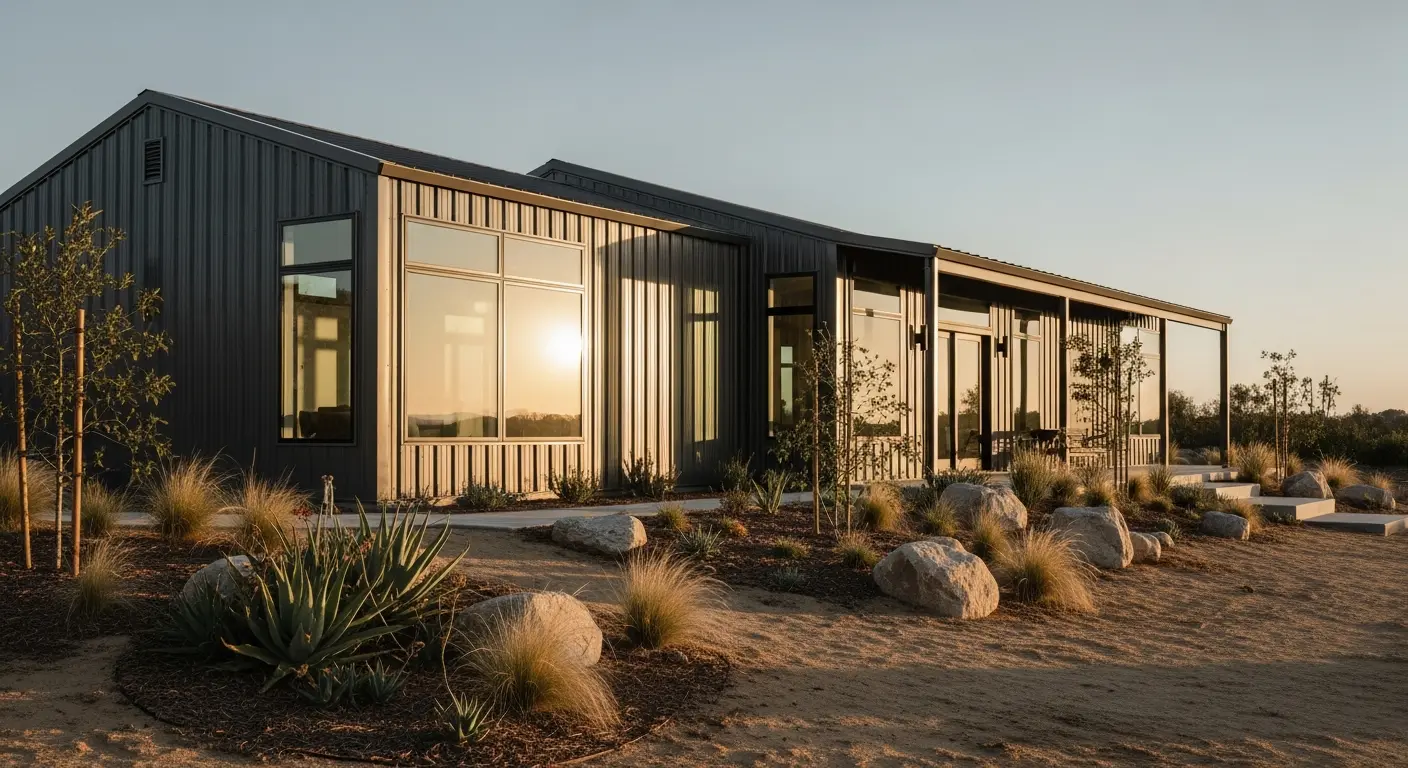
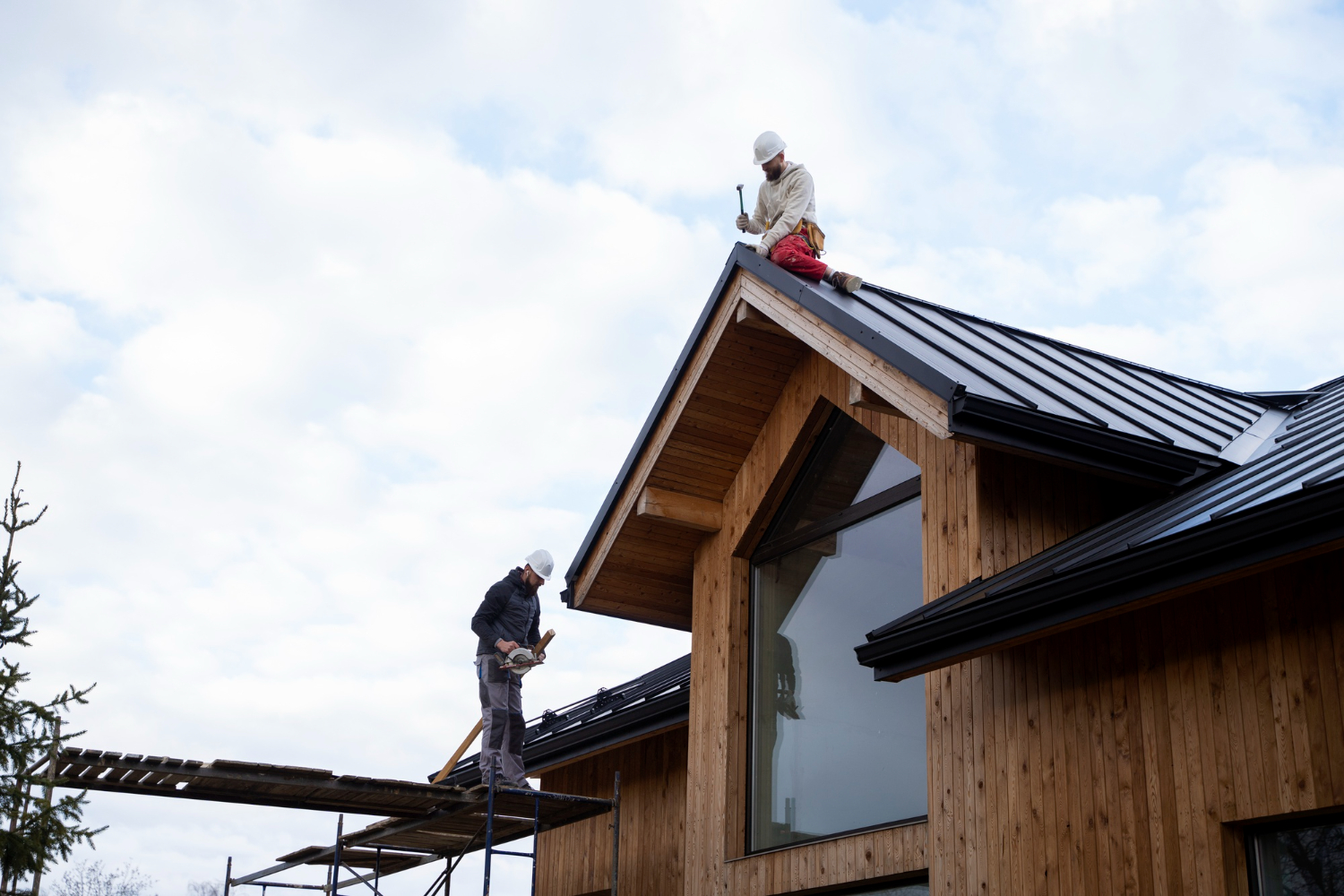
If you’re building a commercial facility, steel building erection is one of the most schedule-sensitive phases. The building package may be engineered, but real-world results depend on foundation accuracy, site readiness, and a crew that knows how to keep the structure square and weather-tight.
Here’s what commercial owners and project managers should expect during a typical erection sequence:
What happens during erection
Most projects follow this flow:
- Foundation verification: anchor bolts, slab dimensions, and elevations are checked against plans.
- Primary frame set: main frames go up first to establish the building line and alignment.
- Secondary framing + bracing: purlins, girts, and bracing lock the structure in place.
- Roof panels: getting the roof on early helps protect the interior work that follows.
- Wall panels + trim: wall systems, closures, and key detailing improve weather resistance.
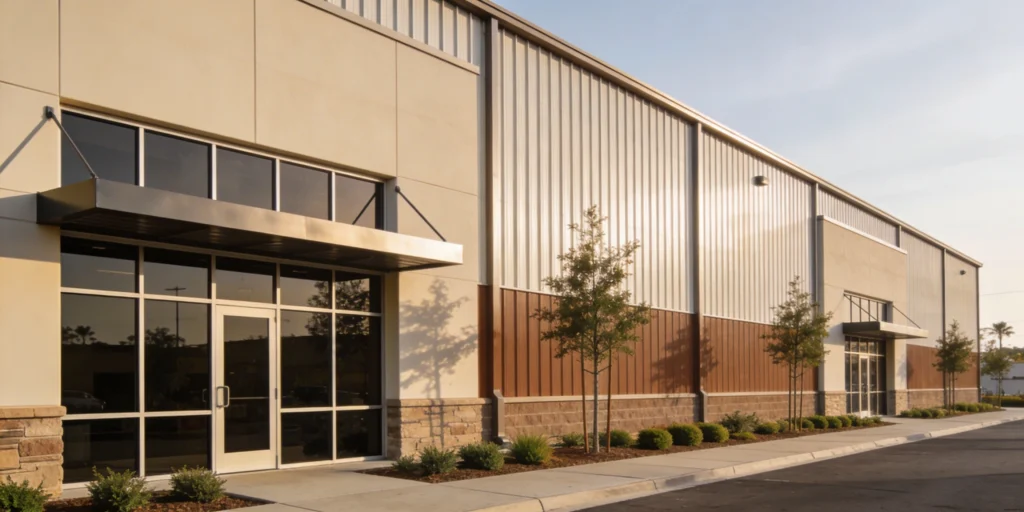
The biggest delay trigger: slab and anchor bolt issues
Many PEMB delays start before the first frame goes up. If anchor bolts are off, elevations don’t match, or access is tight, you lose time fast. A quick pre-erection check can prevent expensive rework when steel is already on site.
Site prep that saves days (not hours)
Before steel delivery, confirm:
- delivery access and turning radius
- space to stage panels and hardware
- lift/crane placement areas
- safety zones for overhead work
Steel Innovations supports commercial metal building erection in San Diego and Southern California and can discuss broader project support depending on scope and scheduling.
Conclusion
A smooth erection phase sets the tone for the entire build. If you want a commercial steel building installed cleanly and efficiently, work with an erection team that treats alignment, bracing, and detailing as non-negotiable.
Contact Steel Innovations to discuss your commercial project in San Diego / Southern California.