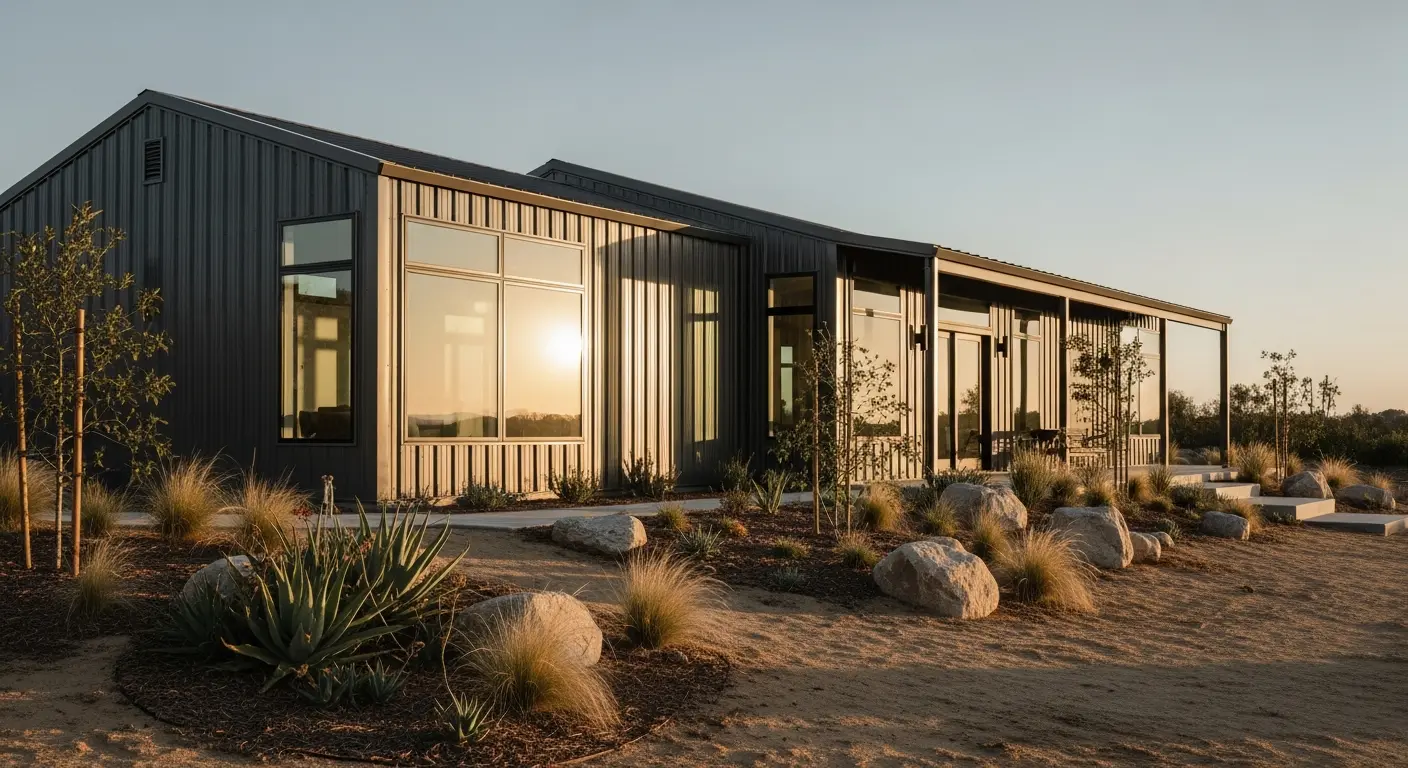
Flex space is popular because it stays useful even as tenants and operations change. A building that can shift between warehouse, light industrial, storage, and office build-outs is easier to lease—and easier to run.
That’s where pre-engineered metal buildings (PEMBs) shine: strong structure, clean spans, and layouts that don’t fight your workflow.
What makes a flex building “work”
Flex buildings typically succeed when they prioritize:
- clear-span space for racking, bays, and future reconfiguration
- proper clear height to support storage and equipment needs
- door placement that matches loading patterns (not just “where it fits”)
4 layout decisions that prevent tenant headaches
- Overhead doors: plan width/height and locations based on real vehicle and forklift movement.
- Office zone: keep offices near parking/entry, and separate from noisy bay areas when possible.
- Utility routing: design pathways so future partitions don’t force expensive relocation.
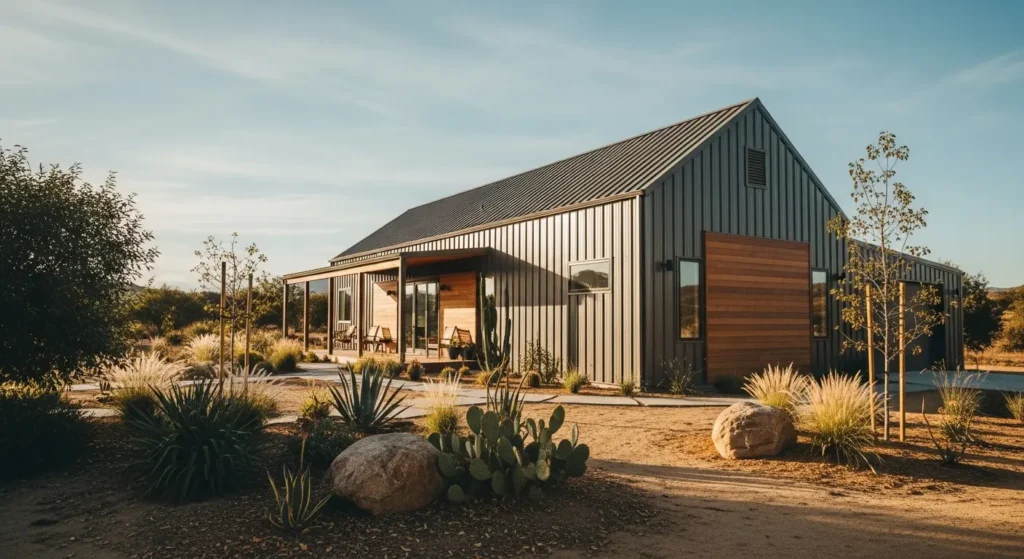
- Exterior planning: signage space and a simple façade can boost leasing appeal without inflating budget.
Build smart: shell first, then customize
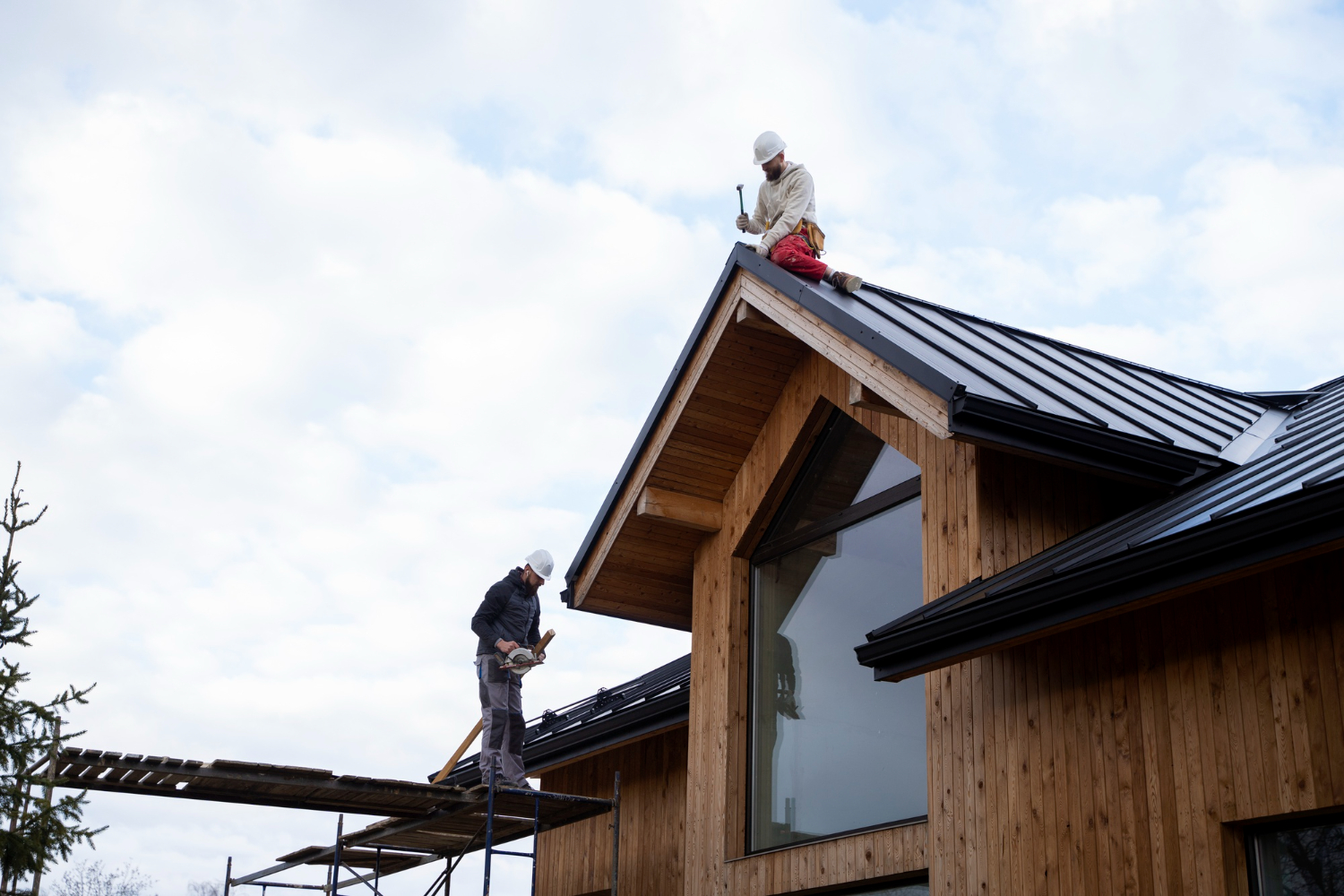
A common strategy: build the shell and core infrastructure, then tailor office build-outs as tenant needs become clear. It’s often more efficient than overbuilding up front.
Steel Innovations supports commercial metal building projects in San Diego and Southern California and can discuss broader service depending on scope.
Conclusion
A good flex building isn’t just “open space.” It’s a practical layout built for change. If you’re planning flex space in San Diego County, a pre-engineered metal building can give you durable structure and future-ready options.